Composite Veneers Cost In India

What Are Composite Veneers?
If you want to improve the appearance of your smile, dental veneers may be an option worth considering. These thin coverings are placed over the front surfaces of existing teeth to enhance their shape, colour, and overall appearance. At Meraki Dental Studio, patients can explore different veneer options and understand the factors associated with Composite Veneers Cost in India. Learn more about dental veneer treatment here: https://merakidentalstudio.com/services/dental-veneers/
Veneers are one of several treatments available for improving the appearance of teeth. Other options include tooth bonding, enamel reshaping, and dental crowns. The most appropriate choice depends on the condition of your teeth and the changes you want to achieve.
There are two main categories of veneers: porcelain and composite. Porcelain veneers are individually made from porcelain to fit the teeth, while composite veneers are created using a tooth-coloured resin similar to the material used in dental bonding.
Both options have advantages and limitations. Understanding their differences can help you discuss the most suitable treatment with your dentist.
Who Can Get Dental Veneers?
Dental veneers can help conceal a range of cosmetic imperfections and create a more uniform-looking smile. They may be considered for teeth that are:
-
Crooked or irregularly shaped
-
Chipped or damaged
-
Stained or discoloured
-
Affected by enamel erosion
-
Uneven in appearance
Veneers cover the visible front portion of a tooth, whereas crowns surround the entire tooth, including its front and back surfaces. Crowns are generally thicker and may require more alteration of the natural tooth structure.
If your teeth are relatively healthy and your main concern is their colour, shape, or appearance, veneers may be a suitable option. However, when a tooth has extensive damage, such as a significant break or damage requiring root canal treatment, a crown may be more appropriate.
A dental examination helps determine whether veneers are suitable for your teeth and whether another treatment would provide better support.
Types of Dental Veneers
Dentists may recommend three main types of veneers: direct composite veneers, indirect composite veneers, and porcelain veneers. The key differences involve how they are prepared, applied, and maintained.
1. Direct Composite Veneers
Direct composite veneers are created by applying tooth-coloured composite resin directly to the surfaces of the teeth.
The dentist prepares the teeth and builds up the resin in layers to improve their appearance. Because the material is shaped directly in the mouth, the treatment can usually be completed without waiting for veneers to be manufactured in a laboratory.
The preparation process is generally straightforward and minimally invasive, although the amount of tooth preparation required depends on the changes being made.
2. Indirect Composite Veneers
Indirect composite veneers use a similar resin material, but the veneers are fabricated outside the mouth before being attached to the teeth.
The dentist first prepares the teeth in a manner similar to direct veneer treatment. Impressions or other records are then used to create the veneers in a dental laboratory or dental practice.
Temporary veneers may be provided while the final restorations are being prepared. During a subsequent appointment, the dentist bonds the completed composite veneers to the teeth using an adhesive.
Compared with direct composite veneers, indirect versions may offer better resistance to abrasion and fracture. However, their preparation involves additional steps and may require more appointments.
3. Porcelain Veneers
Porcelain veneers are custom-made shells designed to fit the front surfaces of individual teeth.
The dentist takes impressions of the teeth so that a dental laboratory can manufacture veneers that match the required shape and size. This process may take a week or longer, and temporary veneers may be used while the permanent ones are being prepared.
Once the porcelain veneers are ready, the dentist attaches them to the teeth using dental cement and adjusts their shape and fit to achieve a natural-looking result.
Composite Veneers vs. Porcelain Veneers
Both types of veneers can improve the appearance of teeth, but they differ in material strength, preparation, appearance, and maintenance requirements.
Advantages of Composite Veneers
-
Generally more affordable: Composite veneers usually involve a lower expense than porcelain veneers.
-
Quicker treatment with direct application: Direct composite veneers can often be applied in a shorter appointment because the resin is shaped directly on the teeth.
-
Versatile cosmetic improvement: They can help improve the appearance of discolouration, irregular tooth shapes, and other visible imperfections.
Limitations of Composite Veneers
-
Less resistant to damage: Composite resin is generally weaker than porcelain and may chip or wear with use.
-
More frequent maintenance: Repairs or replacements may be needed more often than with porcelain veneers.
Advantages of Porcelain Veneers
-
Longer-lasting results: Porcelain is a durable material that can last longer than composite resin.
-
Custom fabrication: Each veneer is made to fit the individual tooth.
-
Natural appearance: Porcelain can provide a realistic-looking finish.
-
Suitable for certain complex cosmetic concerns: Porcelain veneers may be better suited to some cases involving darker stains or more noticeable tooth misalignment.
Limitations of Porcelain Veneers
-
Higher expense: Porcelain veneers are generally more expensive than composite alternatives.
-
Multiple appointments: Their custom fabrication usually means the treatment takes more than one visit.
-
Possible detachment: A veneer may occasionally come loose and require professional rebonding.
The right choice depends on your dental condition, cosmetic goals, and preferences. Patients researching Composite Veneers Cost in India should also consider the differences in durability, treatment time, and future maintenance before deciding.
The Composite Veneers Procedure
The process begins with a thorough dental examination and cleaning to prepare the teeth for treatment. Depending on the existing tooth structure and the changes required, the dentist may need to remove a very thin layer of enamel to help the veneer material bond securely.
In some cases, particularly when only minor changes to colour or shape are needed, little or no tooth preparation may be necessary.
The application process varies depending on whether you choose direct or indirect composite veneers.
Direct Composite Veneer Application
The procedure generally involves the following steps:
-
Preparing the enamel: The dentist treats the tooth surface to help the composite material adhere properly.
-
Applying the bonding agent: An adhesive is placed on the prepared tooth to create a connection between the enamel and the resin.
-
Adding composite resin: The dentist applies thin layers of tooth-coloured resin to the front surface of the tooth.
-
Hardening the material: A specialised light is used to cure and harden each layer of composite resin.
-
Selecting the shade: The dentist chooses an appropriate colour and may combine resin shades to achieve a natural-looking appearance.
-
Shaping and polishing: The finished veneer is adjusted and polished to improve its shape, surface, and overall appearance.
Indirect Composite Veneer Application
Indirect veneers require additional preparation because they are manufactured outside the mouth.
First, the dentist prepares the teeth and takes impressions or other records needed to create the veneers. Temporary veneers may be used while the final set is being made.
Once the veneers are ready, the dentist prepares the tooth surfaces for bonding and applies an adhesive material. The composite veneers are then positioned and secured using a curing light to harden the bonding agent.
Finally, the dentist checks the fit, removes any excess material, and polishes the veneers to achieve a smooth finish.
Anaesthesia is not always necessary for composite veneer treatment. If it is used, patients can generally return to their usual activities once the effects have worn off, provided their dentist has not given different instructions.
How Long Do Composite Veneers Last?
Composite veneers can be more durable than earlier versions of the material, but their lifespan is generally shorter than that of porcelain veneers.
On average, composite veneers may last around five to seven years. After this period, they may need repair or replacement, depending on their condition. Porcelain veneers can often last ten to fifteen years or longer with appropriate care.
Several everyday habits can help maintain composite veneers and extend their useful life.
-
Brush regularly using a non-abrasive toothpaste.
-
Avoid biting or chewing ice and other hard objects with the front teeth.
-
Take care with drinks such as coffee and tea, which may stain composite resin.
-
Follow your dentist's advice on maintaining your veneers.
Regular care is important because composite resin can become stained, chipped, or worn over time.
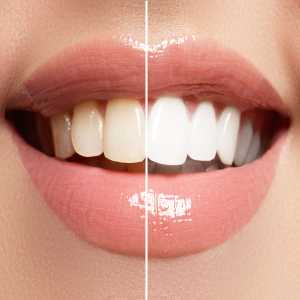
Composite Veneers: Before and After
Composite veneers can make a noticeable difference to the appearance of a smile. By changing the visible shape and colour of the teeth, they can improve the appearance of teeth that are chipped, uneven, discoloured, or separated by noticeable gaps.
The final result depends on the condition of the original teeth, the treatment approach, and the shade and shape selected for the veneers. Your dentist can discuss the changes that may be achievable in your individual case.
Can Composite Veneers Be Removed?
Composite veneers can generally be repaired, modified, or replaced by adding new composite resin when appropriate. Their removal or alteration should be performed by a dental professional to avoid unnecessary damage to the natural teeth.
Whether a veneer can be removed without affecting the underlying tooth depends on how it was applied and whether any enamel was removed during preparation. Your dentist can assess the veneers and recommend the most appropriate approach.
Understanding Composite Veneers Treatment Considerations
The overall treatment plan depends on several factors, including the number of teeth being treated, the type of veneer selected, the amount of preparation required, and the time needed to complete the procedure.
Composite veneers may be suitable for patients seeking cosmetic improvements without choosing porcelain veneers. However, their shorter average lifespan and greater susceptibility to chipping or staining should be considered when comparing options.
If you are exploring Composite Veneers Cost in India, discussing your goals and dental condition with Meraki Dental Studio can help you understand the treatment process and decide which type of veneer may be appropriate.
Conclusion
Composite veneers offer a way to improve the appearance of teeth affected by chips, discolouration, irregular shapes, and other cosmetic imperfections. They use tooth-coloured resin to create a more even-looking smile and may be applied directly to the teeth or fabricated separately before bonding.
Compared with porcelain veneers, composite options generally involve a simpler application process and lower expense, but they may require more frequent repairs or replacement. Porcelain veneers tend to last longer and can provide a natural-looking finish, although treatment usually requires multiple appointments.
Meraki Dental Studio can help you compare veneer options and understand which approach best matches your dental needs and desired results. Considering Composite Veneers Cost in India alongside durability, treatment time, and maintenance can help you make a more informed decision about improving your smile.
If you’re searching for Composite Veneers Cost in India, Meraki Dental Studio is ideal for achieving and maintaining dental health. Call us at +919625678787 to book an appointment.
Author Bio
Article Comments
No Comments!
At present there are zero comments on this article.
Why not be the first to make a comment?
Similar Articles
Search Pages
User Upgrade
account to full use of editor,
Including hyperlinks
Article Categories
There are zero sub-categories in this parent category.
There are zero sub-categories in this parent category.