Why CEOs Should Care About Preventive Health At The Genetic Level

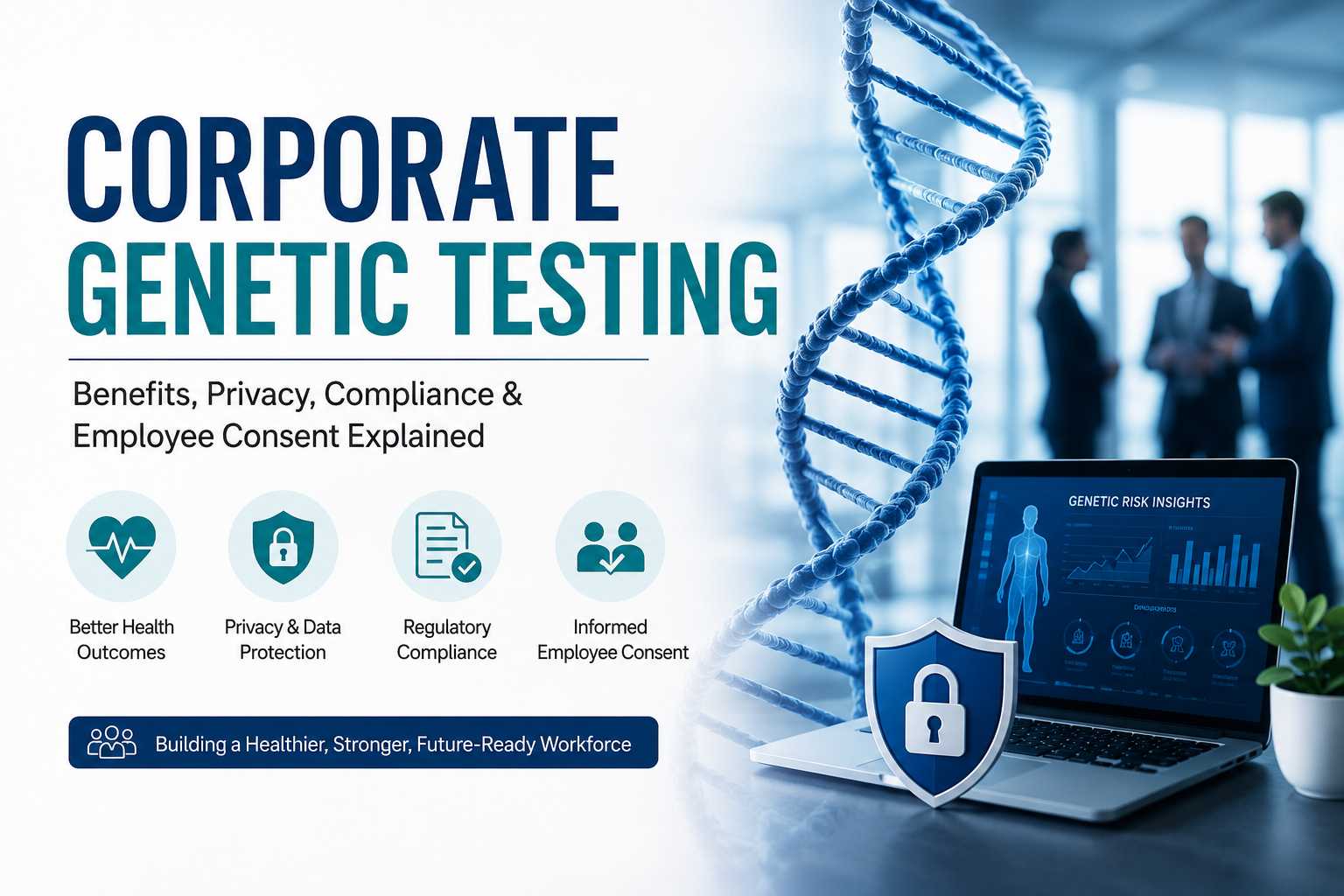
In today's competitive business environment, employee health has become a key driver of organizational performance. While many companies continue to invest in annual health checkups and employee wellness initiatives, forward-thinking CEOs are beginning to recognize the value of preventive healthcare at a deeper level—through genetic testing.
Preventive health at the genetic level enables organizations to move beyond treating illnesses after they occur. Instead, it empowers employees with insights into inherited health risks, allowing them to make informed lifestyle choices before chronic conditions develop. For CEOs, this represents an opportunity to strengthen workforce resilience, improve productivity, and better manage long-term healthcare costs.
Why Employee Health Is a Strategic Business Priority
Healthy employees contribute directly to business success. Reduced absenteeism, higher engagement, improved productivity, and lower healthcare expenses all have a measurable impact on organizational performance.
According to the World Health Organization (WHO), non-communicable diseases (NCDs)—including heart disease, diabetes, cancer, and chronic respiratory diseases—are responsible for approximately 74% of deaths worldwide. Many of these conditions develop gradually and may be influenced by both genetics and lifestyle.
Traditional workplace wellness programs often focus on current health conditions, but preventive healthcare allows organizations to identify potential health risks much earlier.
Understanding Preventive Health at the Genetic Level
Genetic testing analyzes specific DNA markers to identify inherited predispositions for certain medical conditions. It does not predict with certainty that someone will develop a disease. Instead, it provides valuable information about an individual's level of risk, helping healthcare professionals recommend personalized preventive strategies.
Corporate genetic testing may identify risks associated with:
- Cardiovascular disease
- Type 2 diabetes
- Certain hereditary cancers
- Obesity
- Metabolic disorders
- Nutritional sensitivities
- Medication response (where clinically applicable)
When combined with routine health assessments, these insights enable more targeted and effective wellness interventions.
Personalized Wellness Delivers Better Business Outcomes
Most organizations still offer standardized wellness initiatives such as annual health screenings, fitness challenges, or nutrition sessions. While beneficial, these programs may not address each employee's unique health profile.
Genetic insights allow employers and healthcare professionals to design personalized wellness plans that include:
- Customized nutrition guidance
- Individual fitness recommendations
- Preventive health screenings
- Lifestyle modification plans
- Stress management strategies
- Long-term disease prevention support
Employees are generally more engaged when wellness recommendations are tailored to their personal health needs, leading to stronger participation and more sustainable behavior changes.
Reducing Long-Term Healthcare Costs
Healthcare spending continues to rise for employers around the world. Chronic diseases account for a significant share of medical claims, long-term treatment costs, and lost productivity.
Research consistently shows that preventive healthcare and early risk identification can improve health outcomes while reducing avoidable healthcare expenses.
By understanding genetic risk factors early, organizations can encourage preventive measures that may help reduce:
- Hospital admissions
- Chronic disease complications
- Long-term medication costs
- Employee absenteeism
- Disability-related productivity losses
While genetic testing should complement—not replace—routine medical care, it can enhance preventive health strategies and improve the return on investment (ROI) of corporate wellness programs.
Building a Resilient and Future-Ready Workforce
CEOs are increasingly expected to lead organizations that prioritize employee well-being alongside business performance.
A workforce that receives proactive health support is better positioned to remain productive, motivated, and resilient. Personalized preventive healthcare demonstrates a company's long-term commitment to its employees, strengthening employer branding and helping attract and retain top talent.
Organizations that invest in employee wellness often report benefits such as:
- Higher employee engagement
- Improved retention
- Better workplace morale
- Increased productivity
- Stronger organizational resilience
Preventive health initiatives also support Environmental, Social, and Governance (ESG) objectives by promoting employee well-being as part of responsible business practices.
Privacy and Ethical Considerations
Genetic testing should always be implemented responsibly and ethically.
Organizations should ensure that:
- Participation is entirely voluntary.
- Employees provide informed consent before testing.
- Genetic data is securely protected.
- Individual results remain confidential.
- Employers do not access personal genetic reports without explicit employee authorization.
- Programs comply with applicable privacy and healthcare regulations.
Working with experienced healthcare providers helps ensure that genetic wellness initiatives maintain employee trust while meeting legal and ethical standards.
The Future of Corporate Wellness Starts with Prevention
Corporate healthcare is evolving from reactive treatment to proactive prevention. CEOs who invest in preventive health at the genetic level are helping their organizations prepare for the future by empowering employees with personalized health insights and evidence-based wellness strategies.
When combined with comprehensive health checkups and professional medical guidance, genetic testing can support healthier employees, more effective wellness programs, and stronger business outcomes.
Partner with Indus Health Plus
At Indus Health Plus, we help organizations strengthen employee wellness through comprehensive preventive healthcare solutions, including health checkups, personalized risk assessments, and corporate genetic testing. Our expert-led programs are designed to help businesses build healthier, more productive workforces while supporting long-term organizational growth.
Whether you're planning to modernize your employee health strategy or introduce personalized preventive healthcare, our team can help you create a solution tailored to your organization's goals.
Book your call now: https://www.indushealthplus.com/genetic-dna-testing/become-a-partner.html
Author Bio
Article Comments
No Comments!
At present there are zero comments on this article.
Why not be the first to make a comment?
Similar Articles
Search Pages
User Upgrade
account to full use of editor,
Including hyperlinks
Article Categories
There are zero sub-categories in this parent category.
There are zero sub-categories in this parent category.