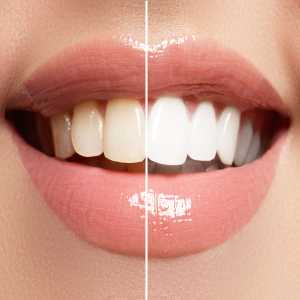
Toothache Treatment Delhi At Advanced Dental Clinic

Toothache: Causes, Symptoms, Treatment and Prevention
A toothache can develop for many different reasons, ranging from a small piece of food lodged near the gums to a cracked tooth or bacterial infection. In some cases, temporary irritation of the gums may cause discomfort that settles on its own, while more serious tooth pain may require professional dental care. If you are looking for Toothache Treatment Delhi, Advanced Dental Clinic can evaluate the cause of your discomfort and recommend appropriate treatment. https://theadvancedental.com/services/toothache-treatment-east-delhi/
What Is a Toothache?
A toothache is pain that occurs in or around a tooth. Mild discomfort may sometimes result from temporary gum irritation and can improve with simple care at home. More significant tooth pain can be associated with cavities, infections, or other dental conditions that generally require professional treatment.
Severe tooth pain accompanied by fever and chills can indicate a dental emergency. In such circumstances, you should contact a dentist or visit the nearest emergency facility promptly. Although uncommon, an infection originating in the mouth can spread to other parts of the body, including the bloodstream and brain.
Types of Toothaches
Tooth pain can feel different depending on what is causing it. Common symptoms associated with a toothache may include:
-
A persistent dull ache.
-
Sharp or stabbing pain in the tooth.
-
A throbbing sensation.
-
Sensitivity of the teeth.
-
Swelling around the gums.
-
Headaches.
-
Fever.
-
Chills.
-
Bad breath or an unpleasant taste in the mouth.
What Causes a Toothache?
There are several possible reasons why a person may experience tooth pain. Common causes include:
-
Cavities.
-
An abscessed tooth.
-
A cracked tooth.
-
Damage to a dental restoration, such as a filling or crown.
-
Teeth grinding or clenching, also known as bruxism.
-
Gum disease.
How Long Does a Toothache Last?
The duration of a toothache depends on what is causing the pain. Temporary irritation of the gums may settle within a day or two. However, when the discomfort is caused by a cavity or an abscess, the pain may come and go without disappearing completely.
Persistent or recurring tooth pain should not be ignored because treating the underlying dental problem is necessary for lasting relief.
How Do Dentists Treat Toothaches?
A dentist will first examine your teeth and ask questions about your symptoms. A dental X-ray may also be taken when necessary to identify problems beneath the gums or areas that cannot be seen during a routine visual examination.
There are several treatment options for toothaches. The appropriate approach depends on the cause and severity of the problem.
Toothache Medicine
Pain relievers can temporarily reduce toothache symptoms, while antibiotics may be used when an infection requires them. However, these measures do not correct the underlying dental problem. Even if symptoms associated with an infection improve after antibiotics, the infection can return if its source is not treated.
While waiting for a dental appointment, over-the-counter pain medicines such as acetaminophen or ibuprofen may help reduce pain and tenderness.
Dental Fillings
A dental filling may be recommended when a small cavity is present or when a small portion of a tooth has broken away.
During the procedure, the dentist removes the damaged part of the tooth and fills the resulting space with a suitable restorative material. This restores the affected area and helps the tooth function normally.
Dental Crowns
A larger cavity or fracture may require a dental crown. A crown is a tooth-shaped covering that fits over the affected tooth.
By covering the tooth, the crown helps strengthen it and can reduce the likelihood of additional damage. For patients seeking Toothache Treatment Delhi, Advanced Dental Clinic can assess the damaged tooth and determine whether a crown is appropriate.
Inlays or Onlays
Sometimes, the damage caused by a cavity or crack is too extensive for a standard filling but does not require a complete crown.
In these situations, an inlay or onlay may be recommended. These are custom-made restorations designed to fit into the damaged portion of the tooth.
An inlay fits within the tooth, while an onlay can extend over one or more of the tooth's cusps. These restorations provide an option between a conventional filling and a full crown.
Root Canal Therapy
When bacteria from a cavity or crack reach the pulp inside the tooth, root canal treatment may become necessary.
The procedure involves removing the inflamed nerves, blood vessels, and connective tissues from inside the tooth. The internal surfaces are then cleaned before the pulp chamber and root canals are filled with suitable material.
In many cases, a crown is also placed afterward to protect and strengthen the treated tooth.
Tooth Extraction
Dentists generally try to preserve natural teeth whenever possible, but some teeth may be too severely damaged to save.
When a tooth cannot be restored, extraction may be required. During the procedure, the dentist carefully removes the tooth from its socket and cleans the affected area if infection is present.
After a tooth has been removed and the area has healed, replacement options can be discussed. A missing tooth may be replaced with a dental bridge or dental implant. A temporary tooth may also be provided until the permanent replacement is ready.
Are There Home Remedies for Toothaches?
Home remedies may provide temporary relief when tooth pain is mild. However, discomfort that continues or does not improve should be evaluated by a dentist because home care does not treat the underlying cause of a true toothache.
Saltwater Rinse
A warm saltwater rinse can help reduce inflammation and support healing inside the mouth. Salt can also act as a natural disinfectant.
To prepare the rinse, mix one-half teaspoon of salt with 8 ounces of warm water. Swish the solution around the mouth for approximately 30 seconds and then spit it out.
Hydrogen Peroxide Rinse
A diluted hydrogen peroxide rinse may help ease tooth pain and inflammation. It may also be useful for people experiencing bleeding gums.
Pure hydrogen peroxide should never be used as a mouth rinse. It should be diluted with an equal amount of water. After rinsing, spit the solution out and do not swallow it.
Ice Packs
Applying cold to the affected area can help reduce pain and inflammation by narrowing blood vessels.
You can place ice or frozen vegetables inside a clean towel and hold the wrapped pack against the outside of the jaw for approximately 20 minutes. This can be repeated several times throughout the day.
Can Toothaches Be Prevented?
It is not possible to prevent every toothache because some causes may occur despite good oral care. However, several daily habits can reduce the likelihood of developing tooth pain.
-
Brush your teeth two to three times each day with fluoride toothpaste and a soft-bristled toothbrush.
-
Clean between your teeth with floss once daily.
-
Use an antibacterial mouthwash twice each day.
-
Reduce your consumption of sugary foods and drinks.
-
Visit your dentist regularly for examinations and professional cleanings.
-
Ask your dentist whether dental sealants or fluoride treatments are appropriate for you.
Maintaining these habits can help reduce the factors that contribute to tooth decay, gum problems, and other dental conditions associated with tooth pain. Advanced Dental Clinic can also provide guidance during routine dental visits regarding appropriate preventive care.
When Should You See a Dentist?
You should contact a dentist promptly if you develop:
-
A toothache that continues for more than two days.
-
Swelling of the face or jaw.
-
Pain when opening your mouth widely.
Persistent tooth pain may indicate an underlying dental problem that requires examination and treatment rather than temporary home care alone.
When Should You Go to the Emergency Room for a Toothache?
A toothache may require emergency attention when severe symptoms occur. You should seek emergency care if you experience:
-
Swelling below the eye or a lump on the jaw.
-
Severe tooth pain that does not improve after taking medication.
-
Bleeding that continues despite applying pressure.
-
A fever higher than 101 degrees Fahrenheit, or 38.33 degrees Celsius.
These symptoms can indicate a more serious dental problem that needs prompt attention.
Can a Toothache Go Away on Its Own?
Tooth pain can sometimes disappear without treatment when the discomfort is caused by temporary gum irritation. For example, irritation that occurs after biting into something hard may improve within a day or two.
However, a true toothache originating from the tooth itself usually indicates an underlying problem that needs dental treatment. Even when the pain comes and goes rather than remaining constant, it is advisable to have the tooth examined.
Early treatment can help prevent the underlying condition from becoming more severe or causing additional discomfort.
How Can You Tell What Kind of Toothache You Have?
It is not possible to determine the exact cause of tooth pain with certainty without a dental examination. However, the nature of the discomfort can sometimes provide clues about the possible underlying problem.
-
A dull, ongoing toothache may be associated with an infected tooth. It can also occur when someone grinds their teeth during sleep.
-
Sharp, stabbing pain may be associated with a cavity or a crack in the tooth. It can sometimes indicate a problem involving an existing filling or crown.
-
Severe, throbbing pain may occur when an infection has reached the pulp inside the tooth.
-
Sensitivity to hot or cold foods and drinks can have several possible causes, including cavities, cracks, or gum disease. When the sensitivity disappears quickly, it may be associated with worn enamel.
A proper dental examination is needed to identify the actual cause of the toothache and determine the appropriate treatment.
Conclusion
A toothache can result from many different dental problems, including cavities, cracks, damaged restorations, gum disease, teeth grinding, and infections. While mild gum irritation may sometimes settle within a short period, persistent or severe tooth pain should be professionally evaluated.
Treatment can range from temporary pain management and dental fillings to crowns, inlays or onlays, root canal therapy, or tooth extraction, depending on the underlying condition. Home measures such as saltwater rinses, properly diluted hydrogen peroxide rinses, and ice packs may provide temporary relief for mild discomfort but should not replace appropriate dental treatment when pain continues.
Regular brushing, flossing, limiting sugary foods and drinks, using mouthwash, and attending routine dental examinations can help reduce the risk of dental problems that lead to toothaches.
If you are looking for Toothache Treatment Delhi, Advanced Dental Clinic can evaluate the cause of your tooth pain and recommend appropriate care based on your dental condition.
If you are looking for Toothache Treatment Delhi, consult Advanced Dental Clinic. We have a team of the best dental surgeons in Delhi. Call us to book an appointment: +919599173134.
Author Bio
Article Comments
No Comments!
At present there are zero comments on this article.
Why not be the first to make a comment?
Similar Articles
Search Pages
User Upgrade
account to full use of editor,
Including hyperlinks
Article Categories
There are zero sub-categories in this parent category.
There are zero sub-categories in this parent category.