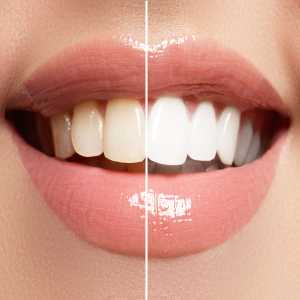
Teeth Cleaning Cost In Bharuch

The 5 Steps of the Dental Cleaning Process
Professional dental cleanings are an important part of maintaining healthy teeth and gums. They help remove plaque and tartar that regular brushing and flossing may not completely eliminate. For patients researching Teeth Cleaning Cost in Bharuch, Dr.Sindha Dental Clinic can explain the cleaning process, its different stages, and what patients can expect during a professional appointment in India. https://www.drsindhadental.com/treatments/teeth-cleaning-scaling-and-polishing/
A professional dental cleaning involves five main steps that work together to remove accumulated plaque and tartar while helping maintain a clean and healthy smile. Regular cleanings can also help prevent tooth decay and gum disease.
Routine dental visits are important because they provide an opportunity to identify oral health concerns before they become more serious. Understanding the cleaning process can help patients know what to expect during their next dental appointment.
Understanding the Importance of Dental Cleaning
Dental cleaning plays an important role in maintaining oral health. It helps remove harmful deposits from the teeth and supports a cleaner, healthier smile.
Preventing Tooth Decay and Gum Disease
Plaque is a sticky layer that develops on the teeth and contains bacteria that can affect the teeth and gums. When plaque is not removed properly, it can harden into tartar. Unlike ordinary plaque, hardened tartar requires professional dental tools for removal.
Regular professional cleaning removes accumulated plaque and tartar, helping reduce the presence of bacteria that produce acids capable of contributing to cavities. Cleaning also helps prevent the gums from becoming red and swollen.
Dentists use specialized instruments to clean areas that can be difficult to reach through brushing and flossing alone. This thorough approach helps support the prevention of tooth decay and gum disease.
The Role of Regular Dental Visits
Dental appointments involve more than simply cleaning the teeth. They also allow the dentist to identify potential oral health problems at an early stage.
During routine visits, the dentist may:
-
Examine the mouth for signs of oral cancer
-
Evaluate the bite and jaw alignment
-
Determine whether fluoride may be needed
-
Take X-rays to identify problems that cannot be seen directly
Regular dental visits can therefore help identify signs of decay or gum disease before they become more advanced. The source recommends visiting the dentist twice a year, although some people may require appointments more frequently.
Benefits Beyond a Bright Smile
Clean teeth can improve the appearance of a smile, but professional dental cleaning also supports broader oral health. Good oral health is associated with overall health and may help lower the risk of certain conditions, including:
-
Heart disease
-
Diabetes
-
Respiratory infections
Professional cleaning can also provide additional benefits, such as:
-
Freshening the breath
-
Removing surface stains caused by coffee or tea
-
Helping reduce the need for more extensive dental treatment later
Maintaining regular dental cleaning appointments is therefore an important part of caring for long-term oral health.
The Dental Cleaning Procedure
A professional cleaning follows a series of steps designed to clean the teeth thoroughly and assess the condition of the mouth.
Initial Oral Examination
The appointment begins with a detailed examination of the mouth. The dentist examines the teeth and gums for problems such as cavities or gum disease.
X-rays may also be taken when necessary to identify concerns that are hidden from direct view. The findings from this examination help determine how the remainder of the cleaning should be carried out.
The dental professional may also ask about any concerns, pain, or sensitivity the patient has experienced. This provides an opportunity to discuss questions or changes noticed in the mouth.
Removing Plaque and Tartar
The next stage involves removing accumulated plaque and tartar from the teeth. Plaque is a sticky film that forms on tooth surfaces, and when it remains in place, it can harden into tartar.
Specialized instruments are used to remove these deposits. A scaler is commonly used for this purpose. It is a small, hook-shaped instrument that allows the dental professional to carefully clean around each tooth and along the gum line. This process is known as scaling.
When there is heavier buildup or deeper deposits beneath the gum line, root planing may be required. This type of cleaning reaches deeper areas and can take additional time. Numbing may also be necessary in some situations.
Tooth Polishing
After scaling is completed, the teeth are polished using a specialized cleaning paste known as prophylaxis paste. The paste has a gritty texture that helps remove surface stains.
A small rubber cup attached to a handpiece rotates against the teeth while distributing the polishing paste across their surfaces. This process leaves the teeth feeling smoother and looking cleaner.
Polishing can also make it more difficult for plaque to attach to the tooth surfaces as easily, contributing to a fresh and clean feeling after the appointment.
Professional Flossing
Flossing is another important part of professional dental cleaning. A suitable type of floss is used to clean the spaces between the teeth and remove remaining plaque or polishing paste.
Flossing also allows the dental professional to observe whether the gums bleed during the process. Healthy gums generally should not bleed when they are flossed.
Patients may also receive guidance on better flossing techniques that can be practiced at home. Consistent flossing between professional appointments helps maintain cleaner teeth.
Fluoride Treatment
The final stage may include a fluoride treatment. Fluoride helps protect teeth against decay and strengthens the enamel.
A fluoride gel or foam may be applied to the teeth and left in place for approximately one minute. Some dental practices may use fluoride varnish instead. Varnish remains on the teeth for longer and continues working after the patient leaves the appointment.
Fluoride treatments can be particularly helpful for people who have a higher risk of cavities and are also frequently recommended for children.
For patients considering Teeth Cleaning Cost in Bharuch, understanding these five stages provides a clearer picture of what professional cleaning involves. Dr.Sindha Dental Clinic can explain which parts of the cleaning process may be appropriate based on the condition of the teeth and gums.
Maintenance and Aftercare
Taking proper care of the teeth after professional cleaning helps maintain the results of the appointment. Good daily oral hygiene and regular dental visits remain important between professional cleanings.
Post-Cleaning Care Tips
After a dental cleaning, the teeth may feel especially smooth and clean. It is recommended to be gentle with the teeth during the first 24 hours. A soft-bristled toothbrush can be used, while harsh foods or drinks should be avoided.
If a fluoride treatment has been provided, patients should wait at least 30 minutes before eating or drinking.
Some gum sensitivity after cleaning can be normal. Rinsing with warm salt water may help soothe the gums. If discomfort continues, the patient should contact the dental practice.
Maintaining good oral care immediately after a cleaning helps preserve the results and supports continued oral health.
Daily Oral Hygiene Best Practices
Brushing and flossing are fundamental parts of everyday oral hygiene. The source recommends brushing at least twice each day for two minutes per session. An electric toothbrush can also be useful for thorough cleaning.
For effective brushing:
-
Use fluoride toothpaste
-
Hold the toothbrush at approximately a 45-degree angle toward the gums
-
Clean all surfaces of the teeth
-
Remember to brush the tongue
Flossing once a day is also important because it removes plaque from between the teeth. Proper flossing involves forming the floss into a C-shape around each tooth and gently moving it up and down.
Follow-Up and Regular Checkups
Routine dental cleaning appointments are recommended twice a year in the source. These visits allow the dentist to monitor the teeth and gums, identify potential problems early, and maintain oral health.
During follow-up appointments, the dental team may:
-
Examine the teeth and gums
-
Check for signs of decay or disease
-
Clean and polish the teeth
-
Apply fluoride when needed
Patients with specific dental concerns may be advised to visit more frequently. Following the recommended appointment schedule helps maintain consistent oral care.
Between visits, patients should also pay attention to changes in their mouth. Any unusual changes should be discussed with a dental professional rather than waiting until the next scheduled appointment.
Frequently Asked Questions
What Is the Typical Procedure During a Professional Dental Cleaning?
A professional cleaning generally begins with an examination of the teeth and gums. Special instruments are then used to remove plaque and tartar. Scaling is followed by polishing to remove surface stains and smooth the teeth.
Professional flossing helps clean between the teeth and remove remaining debris or polishing paste. The dentist can then check the mouth for areas that may require additional attention.
What Are the Four Types of Dental Cleanings?
The four main types of dental cleaning described in the source are:
-
Prophylaxis
-
Scaling and root planing
-
Periodontal maintenance
-
Gross debridement
Prophylaxis is a routine cleaning for healthy mouths. Scaling and root planing is used to treat gum disease. Periodontal maintenance provides ongoing care for gum disease, while gross debridement removes heavy buildup before additional treatment.
Why Can a Dental Cleaning Feel Painful, and How Can Discomfort Be Minimized?
Some people may experience discomfort during a dental cleaning, particularly when their teeth or gums are sensitive. Inflammation or infection can also increase sensitivity during the procedure.
Numbing gels may be used to reduce discomfort, and breaks can be taken when necessary. Breathing exercises and distraction techniques may also help. Regular professional cleanings can contribute to healthier teeth and may help reduce sensitivity over time.
What Should You Expect Before and After a Teeth Cleaning Session?
Before the appointment, the dental team may review the patient's health history and discuss any oral health concerns. X-rays may be taken when needed.
The cleaning itself generally takes around 30 to 60 minutes. Afterward, the teeth may feel smoother and appear brighter, while the gums can feel somewhat tender.
Patients may receive instructions for caring for their teeth after the appointment and may schedule their next cleaning. The source also recommends avoiding foods and drinks that can cause staining for a day or two.
How Often Should Professional Dental Cleanings Be Done?
Most people are advised to have professional cleanings approximately every six months. However, some patients may require more frequent appointments depending on their oral health, habits, and individual risk factors.
People with gum disease may need cleanings every three to four months, while individuals with very healthy mouths may require them only once a year. The appropriate schedule can be determined according to the patient's oral health needs.
How Does High-Pressure Water Cleaning Differ From Traditional Dental Cleaning?
High-pressure water cleaning uses a specialized device that directs a stream of water to remove plaque and debris from the teeth and gums.
According to the source, this approach may feel gentler than traditional instruments for some patients. It can also reach deeper pockets around the teeth and may be more comfortable for people with sensitive gums.
The process is described as quick and thorough and can be used alongside traditional cleaning techniques.
For patients researching Teeth Cleaning Cost in Bharuch, understanding the cleaning procedure, aftercare, and different approaches can help them prepare for professional dental care. Dr.Sindha Dental Clinic can explain the stages of cleaning and the oral hygiene practices that support healthy teeth and gums in India.
Professional cleaning works together with daily brushing and flossing. Maintaining these habits between appointments can help preserve oral cleanliness and support long-term oral health.
For anyone comparing Teeth Cleaning Cost in Bharuch, understanding what happens before, during, and after a professional cleaning can make the appointment easier to understand and prepare for. Dr.Sindha Dental Clinic can guide patients through the cleaning process and explain the appropriate care needed after treatment.
Suppose you live in Bharuch and are searching for Teeth Cleaning Cost in Bharuch. It would be best if you considered Dr.Sindha Dental Clinic. They provide the best dental services in Bharuch. Call us to book an Appointment: 094294 58558.
Author Bio
Article Comments
No Comments!
At present there are zero comments on this article.
Why not be the first to make a comment?
Similar Articles
Search Pages
User Upgrade
account to full use of editor,
Including hyperlinks
Article Categories
There are zero sub-categories in this parent category.
There are zero sub-categories in this parent category.